Design and Appearance
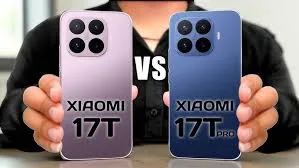
The Xiaomi 17T Pro has garnered attention for its well-crafted design and overall aesthetics, but distinguishing between the global and Chinese models reveals significant nuances in their physical appearances. Both variants showcase premium build quality, which is evident in the sleek finish and choice of materials utilized in their construction.
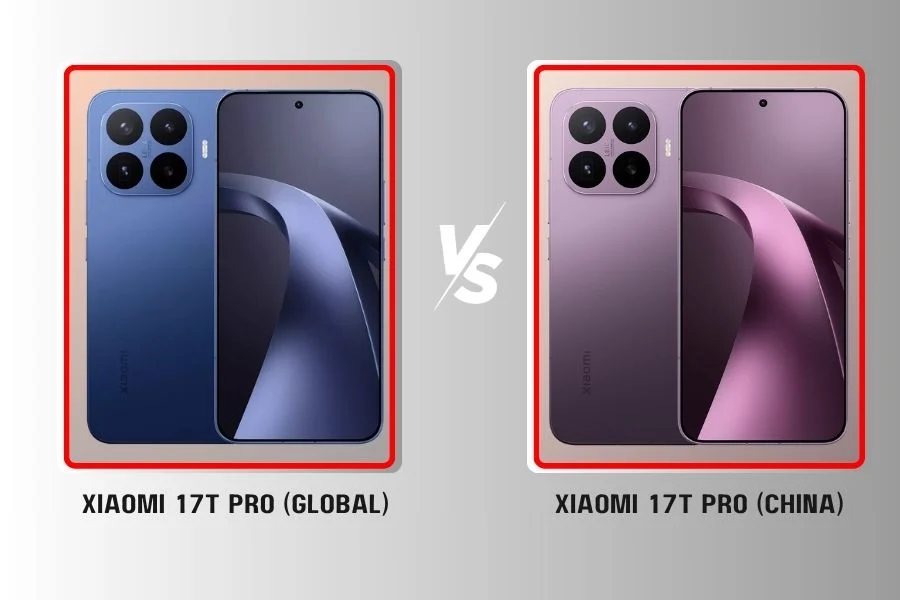
When examining the overall aesthetics, one notable difference lies in the color availability. The global model is often offered in more neutral tones, catering to a broader audience that prefers understated elegance. In contrast, the Chinese version typically presents a more vibrant palette, appealing to consumers who favor bold and eye-catching designs. This difference in color options reflects not only market preferences but also regional branding strategies.
Dimensions and weight are also essential factors to consider when comparing the two models. While both designs maintain a slim profile to ensure comfortable handling, variations in weight may occur due to differences in components and materials. These subtle distinctions can influence user experience, particularly for those who are sensitive to the heft of their devices.
Moreover, both the global and Chinese models feature ergonomic curves and thoughtful placements of buttons, ensuring user convenience. However, specific design elements, such as camera placement or the arrangement of ports, may differ slightly. These design tweaks could be attributed to differing regulatory standards or consumer preferences in various markets.
In conclusion, while the Xiaomi 17T Pro global and Chinese models share many aesthetic similarities, key differences in color options, dimensions, and specific design elements mark the variants distinctly. Understanding these differences is essential for consumers deciding between the two models, as they may impact both functionality and user satisfaction.
Performance Specifications
The performance specifications of the Xiaomi 17T Pro models exhibit notable differences between the Global and Chinese variants. Both variants are equipped with advanced processors, yet there are variations that may impact user experience significantly. The Global model typically includes a Qualcomm Snapdragon chipset, designed for optimal global network compatibility and performance efficiency. Conversely, the Chinese model is often equipped with a MediaTek Dimensity processor, known for its robust performance primarily tailored to both the domestic and regional market.
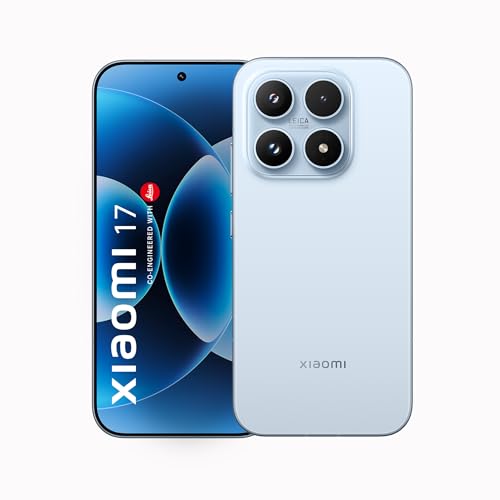
- Professional 50MP Leica Triple Camera System with Light Fusion 950 1/1.31″ sensor and Leica Summilux optical lens delive…
- World’s First Snapdragon 8 Elite Gen 5 processor built on advanced 3nm architecture with Oryon CPU and Adreno GPU delive…
- 6.3″ CrystalRes AMOLED flagship display with 2656×1220 resolution, ultra-slim 1.18mm bezels, adaptive 1-120Hz refresh ra…
In terms of RAM options, the Xiaomi 17T Pro Global version generally offers configurations of 8GB and 12GB RAM, providing users with ample memory for multitasking and demanding applications. The Chinese variant, on the other hand, may include additional RAM options, such as 16GB, which appeals to power users who require extensive multitasking capabilities. Both models also support various internal storage capacities ranging from 128GB to 512GB, but the availability of certain options may vary by market.
Graphics performance is another key differentiator between the two models. The Global variant typically features an Adreno GPU that provides excellent graphics rendering, sufficient for gaming and heavy-duty graphic tasks. In contrast, the Chinese model often incorporates a Mali GPU, which is capable but may not perform as efficiently in high-demand gaming scenarios. Benchmarks indicate that the Global variant often outperforms its Chinese counterpart in stress-testing scenarios, particularly in graphics-intensive applications.
Real-world user experience reflects these specifications where Global users frequently report smoother performance and enhanced graphics capabilities during gaming sessions and intensive application usage. Thus, while both models are designed to perform exceptionally well, the differences in processor selection, RAM variability, and graphical performance delineate their individual market strengths.
Battery Life and Charging Capabilities
The battery life and charging capabilities of smartphones are crucial factors that significantly influence consumers’ daily experiences. When comparing the Xiaomi 17T Pro Global and its Chinese counterpart, several distinctions arise that pertain to battery capacity and technological innovations in charging methods.
Both models are equipped with a robust battery, typically ranging around 4500mAh. However, real-world usage scenarios reveal variances in battery performance. Users of the Global version often report slightly better battery optimization due to region-specific software enhancements. In day-to-day tasks such as web browsing, gaming, or streaming videos, the Xiaomi 17T Pro Global can extend its battery life beyond that of the Chinese model, potentially offering several hours more usage on a full charge.
When discussing charging capabilities, the Xiaomi 17T Pro models provide impressive fast charging technology. The Global variant supports rapid charging up to 67W, allowing the battery to recharge from 0% to approximately 100% in around 40 minutes, highlighting its efficiency in a fast-paced lifestyle. Meanwhile, the Chinese model also supports 67W charging, but some variants come with variations in charging speed or additional options such as 120W hypercharging. This divergence can affect choices for users who prioritize rapid recharging.
Additionally, both versions may have wireless charging capabilities, yet availability and specifications can differ based on regional marketing. The Global model could feature Qi wireless charging, which has become integral for users who wish to avoid tangled cords. Although these technological differences may seem minor, they can considerably impact the convenience and efficiency of daily usage for consumers, ultimately swaying purchasing decisions based on individual preferences.
Storage Options and Pricing
The Xiaomi 17T Pro is available in distinct storage configurations that vary between its global and Chinese models, impacting both functionality and pricing. For the global variant, Xiaomi offers the device in three storage options: 128 GB, 256 GB, and 512 GB. These configurations cater to diverse consumer preferences, as users can choose a model that best fits their storage needs based on usage patterns, whether they are avid gamers, multimedia consumers, or casual users.
In contrast, the Chinese model presents a more refined selection, primarily offering versions with 256 GB and 512 GB of storage. This difference may be attributed to regional market preferences, with Chinese consumers often favoring higher storage capabilities for their intensive usage of media and applications. Notably absent is the 128 GB version from the Chinese lineup, which could be perceived as limiting for potential buyers seeking budget-friendly options. The implication here is significant; while the global model provides more accessible entry points, the Chinese variant seems to cater to a more storage-demanding audience.
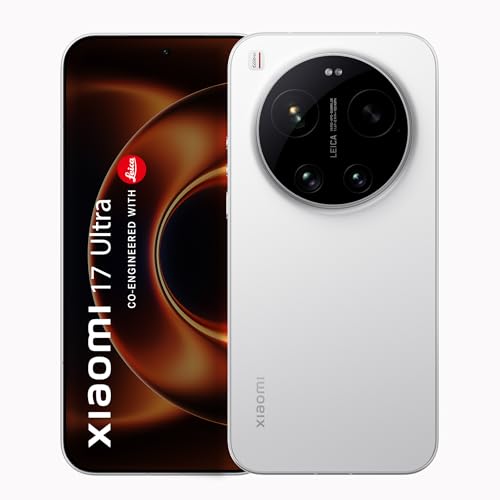
- World’s First Leica 1-Inch LOFIC Sensor Camera System delivering exceptional light capture, ultra-high dynamic range and…
- Snapdragon 8 Elite Gen 5 Flagship Processor built on advanced 3nm architecture delivering next-generation performance, f…
- Premium Ultra-Bright AMOLED Flagship Display with ultra-thin bezels, adaptive high refresh rate and exceptional brightne…
In terms of pricing, the global model’s entry-level 128 GB variant is likely to attract price-sensitive consumers, allowing them to access Xiaomi’s technology without a substantial financial commitment. Conversely, while the higher storage models in both regions come at a premium, the absence of a lower-tier option in the Chinese market could steer budget-conscious consumers towards alternatives from competitors. Collectively, these variations in storage options and price points play a crucial role in shaping consumer preferences, ultimately influencing purchasing decisions across different markets.