
The Changing Landscape of UPI: PhonePe and Google Pay Lose Dominance
The UPI Ecosystem: A Brief Overview
The Unified Payments Interface (UPI) has revolutionized the digital payments landscape in India since its inception in 2016. As a real-time payment system developed by the National Payments Corporation of India (NPCI), UPI facilitates instant fund transfers between bank accounts through mobile devices. This has made financial transactions more efficient and accessible, particularly enhancing the digital economy by integrating various financial services under one umbrella.
UPI’s significance extends to various stakeholders, including consumers, merchants, and financial institutions. For consumers, it provides a seamless, safe, and quick way to make payments, whether at retail outlets or online platforms. For merchants, UPI has offered a cost-effective solution to accept payments, eliminating the need for expensive point-of-sale systems. This has led to a significant increase in the number of digital transactions across the country.

The rapid growth and adoption of UPI can be attributed to multiple factors including its ease of use, the backing of the Indian government promoting a cashless economy, and the competitive landscape of digital payment players entering the market. PhonePe and Google Pay have historically dominated UPI transactions, claiming the largest market shares due to their robust user interfaces, widespread marketing, and partnerships with numerous banks.
However, as the UPI ecosystem continues to evolve, new entrants are emerging, challenging the traditional stronghold of PhonePe and Google Pay. This shift highlights the dynamic nature of India’s payment landscape, showcasing the increasing competition as companies innovate to capture market share. The role of NPCI remains crucial in managing this competitive environment while ensuring that the UPI framework adheres to high standards of security and efficiency.
Market Share Dynamics: PhonePe and Google Pay’s Declining Control
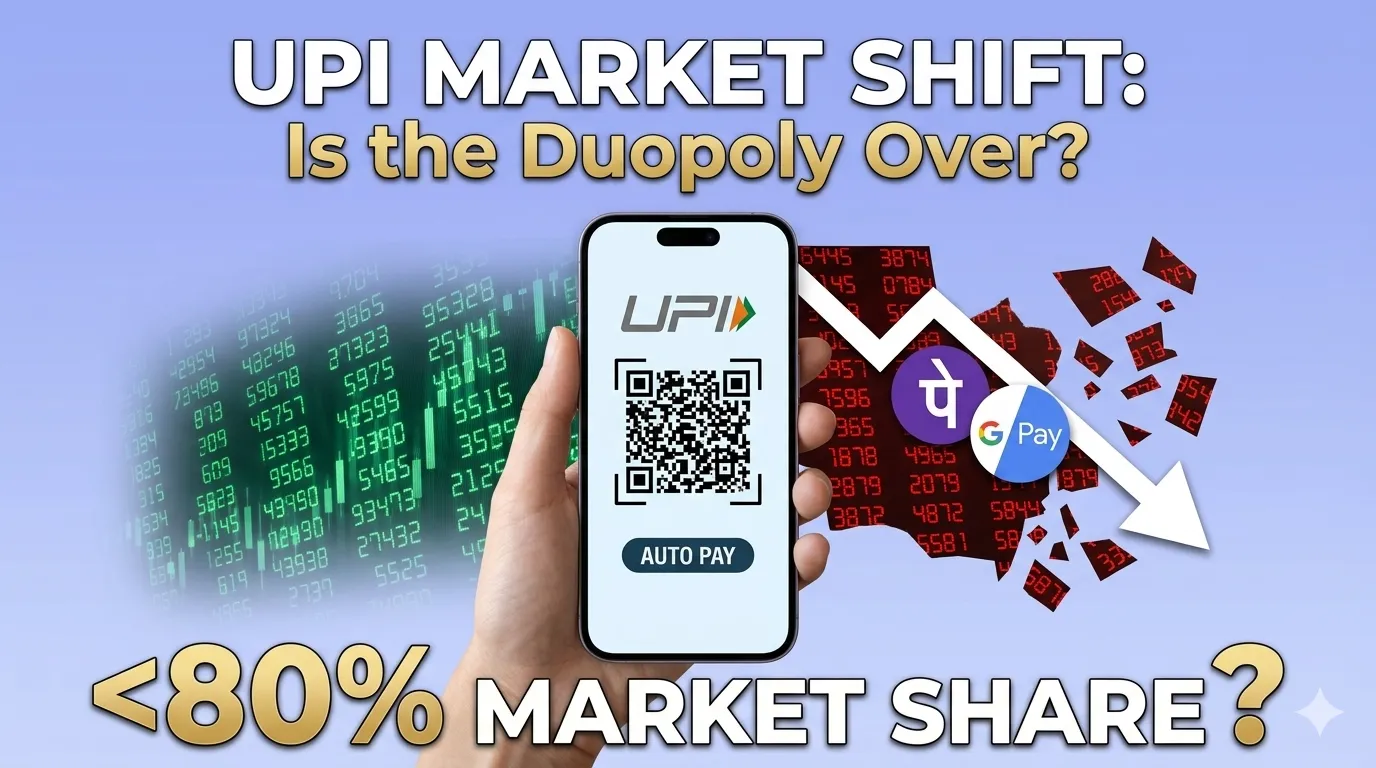
The Unified Payments Interface (UPI) has experienced a significant transformation in the Indian financial landscape, with PhonePe and Google Pay historically dominating the market. Recent data from the National Payments Corporation of India (NPIC) indicates a notable decline in their collective market share, falling below the 80% mark. This shift marks a pivotal change in the competitive dynamics of the digital payment sector, highlighting the emergence of new players grabbing significant portions of the market.

The figures reveal that PhonePe, once leading the pack with a substantial margin, has recently seen its wallet share erode due to increased competition. Google Pay has similarly faced challenges, as innovative platforms and niche applications rise to prominence. The decline of these two giants appears to be closely associated with changing consumer preferences and the introduction of alternative payment solutions that are either tailored better to local needs or offer enhanced features.
New contenders in the UPI space have capitalized on the void left by PhonePe and Google Pay. For instance, platforms like Paytm, Amazon Pay, and various regional wallets have begun to penetrate deeper into the market by offering unique functionalities and targeted user experiences. As these newer services innovate and differentiate themselves, they have been capturing an increasing segment of transactions, thereby contributing to the diminishing control of the erstwhile leaders.
The implications of this market adjustment are significant. An increase in competition is likely to foster innovation and improve service offerings, benefiting consumers in the long run. As the landscape evolves, it remains essential to monitor how traditional giants like PhonePe and Google Pay respond to these changes in order to regain or maintain their standing in an increasingly crowded market.
Implications of the 30% Market Cap Rule
The introduction of the National Payments Corporation of India’s (NPCI) 30% market cap rule represents a significant regulatory shift within the Unified Payments Interface (UPI) ecosystem. This measure is anticipated to impact not only the leading players like PhonePe and Google Pay but also the broader competitive landscape. By imposing a cap on the market share of any individual payment service provider, the NPCI aims to foster a more diverse market environment, encouraging increased participation from a wide array of UPI service providers.
One of the primary implications of the market cap rule is the potential alteration in user experience. As smaller players enter the UPI space, consumers may benefit from enhanced service variety and innovative features. Payment service providers, compelled to differentiate themselves, might introduce new functionalities aimed at improving the consumer experience. Consequently, users can expect a broader selection of payment options, each tailored to meet specific needs and preferences.
Moreover, this regulation could stimulate innovation among existing players, leading to advancements in the technology underlying UPI transactions. Established firms may invest more in research and development to maintain their competitive edge while newer entrants may focus on niche markets or specialized solutions. This increase in diversification could also spur collaborative partnerships, whereby companies join forces to enhance their service offerings and improve customer retention.
Additionally, the market cap rule may affect revenue models across the UPI platform. With a more competitive environment, service providers may need to reconsider their fee structures and promotional strategies to attract and retain customers. Over time, these adjustments could lead to more favorable terms for end-users, as companies vie for market share. The long-term outlook, therefore, suggests that while the regulatory measure intends to curb dominance, it may ultimately enrich the UPI experience for consumers.
Future of UPI and the Digital Payments Landscape
The future of Unified Payments Interface (UPI) and the associated digital payments ecosystem in India is poised for significant transformation beyond 2026. As smartphone penetration and internet access continue to expand in urban and rural regions alike, the opportunity for digital payments to infiltrate multiple sectors becomes increasingly apparent. The gradual decline in the dominance of established players like PhonePe and Google Pay may pave the way for innovative entrants that offer tailored solutions to meet specific consumer needs.
Trends indicate that consumers are gradually shifting preferences towards platforms offering enhanced user experience, lower transaction costs, and added layers of security. With the Indian government continually emphasizing the push towards a cashless economy, alternative payment platforms that can adapt quickly to evolving regulatory frameworks are likely to find favorable conditions for growth. Furthermore, the development of decentralized finance (DeFi) innovations may influence how traditional players approach their service offerings to remain competitive.
However, challenges such as cybersecurity threats and the need for robust infrastructure cannot be overlooked. As UPI adoption grows, the potential for transactional fraud increases, necessitating stringent security measures to protect consumers. Moreover, regulatory shifts, which may favor certain technologies over others, can create an unbalanced playing field that impacts market dynamics. To navigate these challenges effectively, payment platforms must invest in cutting-edge technologies and compliance frameworks.
The landscape of digital payments will undoubtedly continue to evolve, shaped by consumer preferences and competitive forces that drive innovation. The eventual outcome will depend not only on market dynamics but also on the strategic choices made by both incumbents and newcomers in response to shifting consumer expectations and regulatory pressures. In this new chapter in digital payments, adaptability and customer-centric solutions will be crucial for long-term success.