
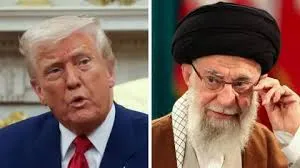
From Conflict to Accord: Trump and Iran Finalize Peace Framework
The Background of U.S.-Iran Relations
The relationship between the United States and Iran has undergone significant transformations over the decades, rooted in a complex history that strongly influences contemporary diplomatic dynamics. The turning point in this relationship can be traced back to the Iranian Revolution of 1979, which resulted in the overthrow of the Shah, a U.S.-backed monarch. This pivotal event led to the establishment of the Islamic Republic, characterized by anti-American sentiment and the severing of diplomatic ties. The subsequent hostage crisis, where 52 American diplomats were held for 444 days, solidified mutual distrust and hostility.
In the years following the revolution, U.S.-Iran relations continued to deteriorate, culminating in the U.S. imposing a series of sanctions aimed at curtailing Iran’s growing influence in the Middle East and its nuclear ambitions. Sanctions became a central theme in U.S. policy, with measures escalating during the 2000s as Iran pursued a nuclear program, which many in the West feared could lead to weaponization. This aspect of U.S.-Iran relations intensified following the 2003 invasion of Iraq, where the U.S. military presence stirred regional tensions and allegations of Iran’s supporting militia groups in Iraq further aggravated diplomatic rifts.
Moreover, the period saw military conflicts involving Iran’s neighboring countries and proxy groups, contributing to the perception of Iran as a destabilizing force in the region. Various attempts at negotiation, such as the 2015 Joint Comprehensive Plan of Action (JCPOA), aimed to curb Iran’s nuclear capabilities while providing some pathways for economic relief.
Nevertheless, the U.S. withdrawal from the JCPOA in 2018 marked a regression in relations, leading to increased sanctions and military confrontations, including the assassination of Iranian General Qassem Soleimani. Each of these events escalated tensions significantly and served as a precursor for the eventual negotiations that aimed to establish a peace framework, reflecting the crucial need for diplomatic resolution.
Details of the Memorandum of Understanding
The Memorandum of Understanding (MoU) signed by President Trump and President Rouhani marks a historic shift in the diplomatic relations between the United States and Iran. A crucial term of the MoU involves Iran’s commitment to dilute its enriched uranium, which is a key point of contention in previous negotiations. This commitment aims to ensure that Iran’s nuclear program remains peaceful and does not cross into weaponization territory.
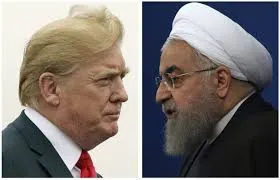
Furthermore, the MoU outlines a meticulously structured timeline for implementation. The agreement specifies that the dilution of enriched uranium will occur in phases, starting within a month of signing the document. Each phase includes stringent oversight by the International Atomic Energy Agency (IAEA) to verify compliance, thereby fostering transparency and building trust between the two nations.
In addition to the technical aspects, the MoU addresses economic considerations critical for both countries. Economic incentives provided by the U.S. are a significant component of the agreement. These may include the gradual lifting of sanctions, which have severely impacted Iran’s economy. In return for its compliance regarding its nuclear activities, Iran can expect tangible economic benefits, such as increased access to international markets and enhanced foreign investments.
This comprehensive breakdown of the memorandum emphasizes its implications not only for U.S.-Iran relations but also for the broader geopolitical landscape in the Middle East. The conditions set forth in this MoU promise a more stable region, provided that both parties adhere to the agreements laid out. The expectation is that successful implementation will lay the groundwork for future dialogues and foster a spirit of cooperation over confrontation.
International Reactions and Implications
The recent peace framework between the United States and Iran has elicited a wide range of reactions from global leaders and international organizations. Allies of both countries have expressed their support or skepticism regarding the implications this agreement may carry for regional stability and security. For instance, European nations, who have historically advocated for diplomacy with Iran, have largely welcomed the framework. They perceive it as a significant stride towards de-escalation in West Asia, hoping it may pave the way for renewed collaborative efforts to address broader security concerns in the region.
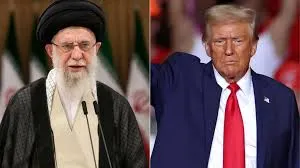
Conversely, some traditional U.S. allies, particularly in the Gulf states, have expressed caution regarding the deal. They argue that the agreement could embolden Iran’s regional influence, thereby undermining their own security interests. The reactions from these nations highlight the complex web of alliances and rivalries in West Asia, amplifying concerns about the delicate balance of power that has characterized the region for decades.
International organizations, such as the United Nations, have also weighed in, acknowledging the importance of diplomatic negotiations in resolving longstanding conflicts. They urge all parties to maintain open channels of communication to prevent any resurgence of hostilities. Furthermore, analysts indicate that this peace framework could significantly alter the geopolitical landscape, potentially leading to a shift in global alignments and power dynamics in the years to follow.
Ultimately, the long-term implications of this agreement will depend on the commitment from both the U.S. and Iran to uphold their obligations under the framework. As regional dynamics evolve, it remains crucial for all involved stakeholders to prioritize dialogue and cooperation to foster a sustainable peace in West Asia.
Looking Ahead: Challenges and Opportunities
The recent peace framework established between the United States and Iran represents a significant milestone in international relations, yet it is not without its challenges. Both nations face domestic opposition that could complicate the adherence to the new agreement. In the U.S., skepticism exists among political factions that either question the trustworthiness of the Iranian government or view any engagement with Iran as a compromise of national security. Meanwhile, in Iran, hardline groups have expressed their discontent over perceived concessions, illustrating the internal political dynamics that could impede the successful implementation of the agreement.
Furthermore, potential violations of the terms set forth in the peace framework serve as a critical concern for both parties. Each nation must establish credible mechanisms to prove compliance, which could be complicated by the clandestine operations commonly associated with international negotiations. The role of international monitoring becomes vital in this context. Neutral third-party organizations may assess compliance through inspections and provide transparency, which could help rebuild trust between the U.S. and Iran.
In contrast to these challenges, the potential opportunities for collaboration present a glimmer of hope. The framework could facilitate dialogue on shared concerns such as regional security, trade, and counter-terrorism. This could lead to a broader coalition that fosters stability in the Middle East, addressing not just bilateral relations but also the interdependencies among various countries in the region. Building upon this peace accord may serve as a foundation for future engagements, potentially paving the way for mutual respect and understanding between the two nations.
You may like also
- Best Multipurpose 5G Smartphones Under 30000 in India
- Provogue Coral Hard-Sided PP Trolley Bag Set of 3 Review: The Perfect Travel Companion for Every Journey
- Unbeatable Summer Offers on 1.5 Ton AC Units